
Discover what types of events can I hire a juggler for? From corporate functions to private parties, jugglers provide unique and engaging entertainment....
What Is A Commercial Model?
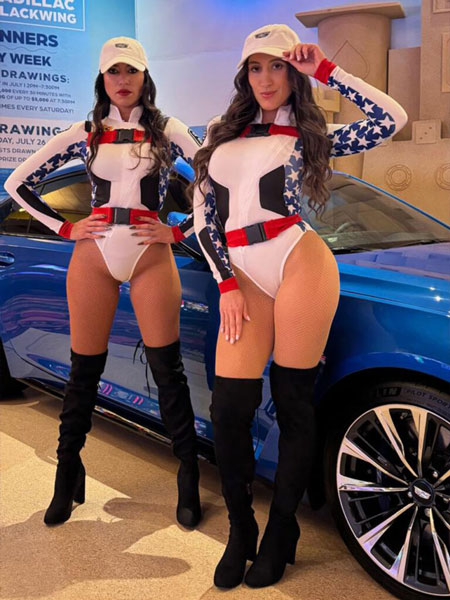 If you’ve ever wondered, What is a commercial model?, you’ve encountered their work more often than you realize. Unlike high-fashion models who grace runways, commercial models are the relatable faces you see in magazines, on websites, and in television ads, promoting everything from coffee to cars. Consequently, they are a powerful tool for brands aiming to connect with their target audience on a personal level. This guide explores their role, the benefits they offer, and how you can find the right talent for your marketing campaigns.
The Core Responsibilities of a Commercial Model
A commercial model’s primary job is to help sell a product, service, or idea by making it appealing and relatable to the average consumer. Their work is incredibly diverse and spans across various media. Importantly, their success is measured not by their editorial appeal but by their ability to drive consumer action. Their responsibilities often include several key areas.
- Print Advertising: This includes appearing in magazines, newspapers, billboards, and brochures. For example, a model might be featured in a catalog for a department store or on a billboard for a new smartphone.
- Digital Campaigns: In the modern marketing landscape, commercial models are essential for social media ads, website banners, and email marketing content. Their presence helps create a cohesive and authentic brand image online.
- Television Commercials: This is a classic role where models often need acting skills to portray a character or scenario, such as a family enjoying a new cereal or a professional using a software product.
- Brand Storytelling: Moreover, models help tell a brand’s story. They embody the lifestyle or values a company wants to project, making the brand more than just a product.
- Live Events and Promotions: Sometimes, commercial models act as brand representatives at trade shows or product launches, engaging directly with potential customers.
What Makes a Great Commercial Model?
The qualities that define a successful commercial model differ significantly from those in the fashion world. While professionalism is universal, the emphasis is on authenticity and broad appeal. Therefore, agencies look for a specific set of attributes when casting for commercial projects.
Relatability Over Runway Looks
The most crucial trait is relatability. Brands want consumers to see themselves using the product, so they choose models who look like their customers. This means there is a huge demand for models of all ages, sizes, ethnicities, and backgrounds. As a result, the commercial modeling industry is far more inclusive than high-fashion.
Professionalism and Versatility
Like any professional, a commercial model must be reliable, punctual, and able to take direction well. A single photoshoot or commercial shoot can involve long hours and a large crew, so a positive and collaborative attitude is essential. Furthermore, versatility is key, as a model might be asked to portray a student, a parent, a doctor, or an athlete all in the same week.
The Key Differences: Commercial vs. Fashion Models
Understanding the distinction between commercial and fashion modeling is crucial for brands looking to hire talent. While both fall under the modeling umbrella, their objectives and requirements are fundamentally different.
- Purpose: Commercial models are hired to sell a product to a mass market. In contrast, fashion models are typically used to sell a luxury lifestyle or an artistic concept for a high-end designer.
- Look: The commercial industry values a diverse range of looks that are relatable and approachable. The fashion industry, however, has historically maintained very strict height, size, and aesthetic requirements.
- Market: Commercial modeling serves a broad market that includes everything from pharmaceuticals to fast food. Fashion modeling is concentrated in the luxury apparel and beauty sectors.
- Career Longevity: Commercial models often enjoy longer careers because their value is tied to their relatability, which can evolve with age.
Why Should Your Business Hire a Commercial Model?
Integrating a professional commercial model into your advertising strategy can yield significant returns. The right face can transform a good campaign into a great one, building a stronger connection with your audience. Specifically, there are several compelling benefits.
First, they build brand trust. When consumers see a person who looks like them or someone they trust using a product, it creates an authentic endorsement. This is far more effective than simply listing product features. Additionally, this relatability can directly lead to increased sales. A well-executed ad with the right model can capture attention and persuade customers to make a purchase. For instance, many businesses see a direct impact after hiring the right promotional talent for events.
Understanding the Answer to “What Is a Commercial Model?” for Your Brand
Ultimately, the answer to What is a commercial model? depends on your brand’s specific needs. It is an individual who can embody your customer, communicate your brand’s message without words, and create an authentic connection that drives results. Whether you need a friendly face for a local print ad or a dynamic personality for a national television spot, the right model brings your vision to life. This is distinct from, but related to, the work done by hiring brand ambassadors to increase engagement, as models are often focused on the visual representation in the campaign itself.
How Do You Find and Hire a Commercial Model?
Finding the right talent might seem daunting, but a structured process can simplify it. Following a clear set of steps ensures you connect with a professional who aligns with your campaign goals.
- Define Your Campaign Needs: Before you begin your search, clearly outline your target demographic, the message of the campaign, and the type of media you will be using.
- Partner with a Reputable Talent Agency: Agencies are the best resource for finding vetted, professional models. They handle the casting, negotiations, and contracts, saving you time and legal headaches.
- Review Portfolios and Headshots: The agency will provide you with a selection of models whose look and experience match your criteria. Review their past work to gauge their versatility.
- Conduct Castings or Auditions: For larger campaigns, especially those involving video, you may want to hold auditions to see how the models take direction and perform on camera.
- Clarify Contracts and Usage Rights: Be explicit about where and for how long you will be using the images or footage. These usage rights are a key part of the model’s compensation, and clarity is essential to comply with industry standards like those outlined by the FTC for advertising.
Final Thoughts
In conclusion, a commercial model is a strategic asset for any brand looking to create effective and authentic advertising. They bridge the gap between your product and your customers, transforming a simple advertisement into a compelling story. By understanding what is a commercial model and the unique value they provide, you can make more informed decisions for your marketing strategy and build a brand that truly resonates with its audience. When you’re ready to find the perfect face for your next campaign, working with an experienced agency is the best next step.
Related Posts